🌐Perplexity lança seu próprio navegador
I'm going to make some obvious points. (1) Blowing up all the oil infrastructure in the Middle East is an insane idea, and may well result in a global economic crash and humanitarian crisis unrivaled in the lives of those now living. We're talking about the price of everything everywhere rising, from food to gas, at a moment when inflation was already high. All of that will be laid at the feet of the authors of this war. (2) The antebellum status quo of Feb 27, 2026 was just not that bad, but we're unlikely to return to it. Expect indefinite, long-term, ongoing disruptions to everything out of the Middle East. (3) Also assume tech financing crashes for the indefinite future. The genius plan to get the Gulf states caught in the crossfire has incinerated much of the funding for LPs, for datacenters, and for IPOs. Anyone in tech who supported this war may soon learn the meaning of "force majeure" as funding gets yanked. (4) Many capital allocators will instead be allocating much further down Maslow's hierarchy of needs, towards useful basic things like food and energy. (5) It's fortunate that all those progressives yelled about the "climate crisis." Yes, their reasoning about timelines was wrong, and much of the money was wasted in graft, but the result was right: we all need energy independence from the Middle East, pronto. It's also fortunate that Elon and China autistically took climate seriously. Now they're going to need to ship a billion solar panels, electric vehicles, batteries, nuclear power plants, and the like to get everyone off oil, immediately. (6) It's not just an oil and gas problem, of course. It's also a fertilizer problem, and a chemical precursor problem. Maybe some new sources will come online at the new prices, but it takes time to dial stuff up, particularly at this scale, so shortages are almost a certainty. That said, China has actually scaled up coal-to-chemicals[a,c] (C2C), and there's also something more sci-fi called Power-to-X[b] which turns arbitrary power + water + air into hydrocarbons. But all of that will need to get accelerated. I have a background in chemical engineering so may start funding things in this area. (7) Ultimately, this war is going to result in tremendous blame for anyone associated with it. It's a no-win scenario to blow up this much infrastructure for so many people. Simply not worth it for whatever objective they thought they were going to attain. But unless you're actually in a position to stop the madness, the pragmatic thing to do is: scramble to mitigate the fallout to yourself, your business, and your people. [a]: https://t.co/ITat4tmAFd [b]: https://t.co/bWwiSQcgyt [c]: https://t.co/FQCqMhy5d3
— @balajis View on X
Impacto de Guerra no Oriente Médio no Ecossistema Tech Global
Uma guerra que destrua a infraestrutura de petróleo no Oriente Médio causaria uma crise econômica global sem precedentes, com reflexos diretos no financiamento de tecnologia e datacenters. Essa é a análise de Balaji Srinivasan, ex-CTO da Coinbase, em publicação recente.
O Cenário de Risco
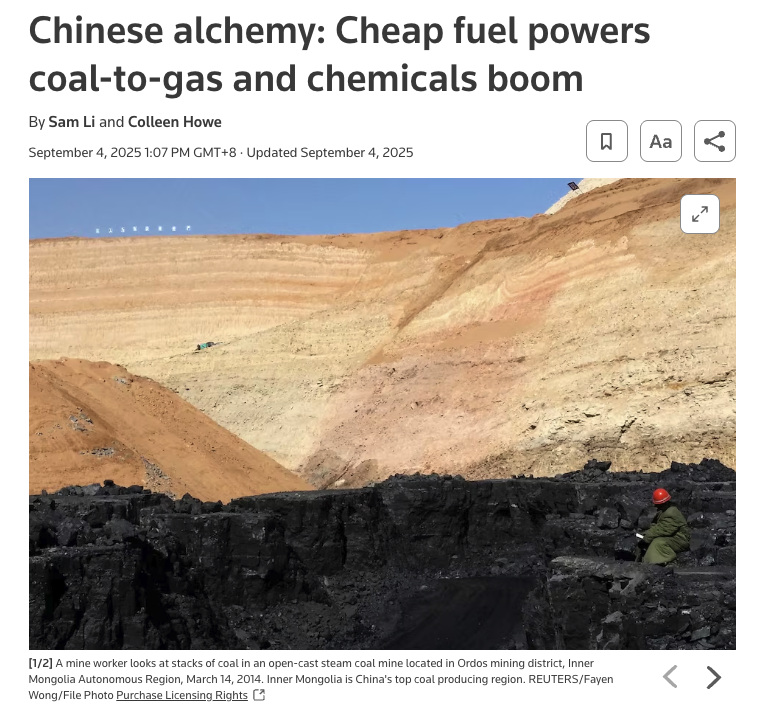
A destruição da infraestrutura de petróleo no Oriente Médio provocaria disparada de preços em todos os setores, desde alimentos até combustíveis, em um momento já marcado por inflação elevada. O impacto seria imediato e global, afetando cadeias de suprimento inteiras.
Consequências para o Financiamento Tech
O crash no financiamento seria prolongado. Capital allocators redirecionariam recursos para necessidades básicas como alimento e energia, abandonando investimentos em tecnologia de longo prazo. Isso significa:
- Redução de capital para LPs (limited partners)
- Menos investimento em datacenters
- IPOs adiados ou cancelados
- Contratos rompidos por força maior
Setores Afetados
O problema não se limita ao petróleo. Fertilizantes e precursores químicos também seriam impactados, gerando escassez em escala global. A dependência de insumos do Oriente Médio afetaria indústrias inteiras.
Oportunidades Emergentes
A crise aceleraria a transição energética. Solar, veículos elétricos, baterias e nuclear precisariam ser implementados em massa para reduzir a dependência de petróleo. Tecnologias como Power-to-X, que converte energia, água e ar em hidrocarbonetos, ganhariam investimento acelerado.
O Que Builders e Devs Devem Considerar
Profissionais de tecnologia precisam avaliar resiliência em seus modelos de negócio. Startups com dependência de capital externo podem enfrentar dificuldades. Setores de infraestrutura crítica e energia limpa tendem a receber mais atenção de investidores. A diversificação de fontes de financiamento e a redução de custos operacionais tornam-se prioridades estratégicas.
O cenário descrito por Srinivasan representa um caso extremo, mas serve como alerta para a vulnerabilidade do ecossistema tech frente a choques geopolíticos.